
Caffeine content in tea is defined by three variables: the tea plant variety, the position of the leaf on the plant, and how you brew it. Most people assume black tea always has more caffeine than green tea. That assumption is wrong. A cup of Japanese Gyokuro green tea can easily outpace a standard black tea bag. Understanding caffeine levels in different teas gives you real control over your energy, your sleep, and your daily ritual.
What determines caffeine levels in different teas?
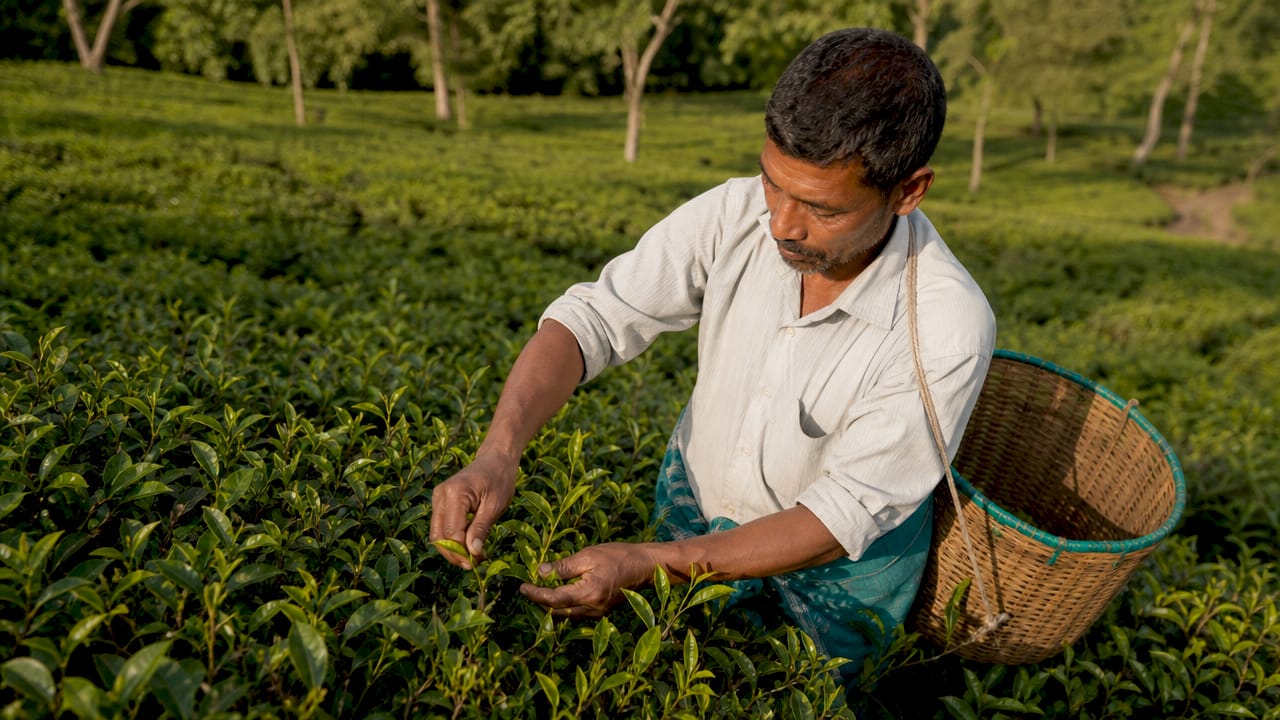
The biggest factor in caffeine content is not the color of the tea. It is the leaf itself. Young buds and leaf tips contain 4–5% caffeine by dry weight, compared to just 2–3% in mature leaves. This means a bud-heavy white tea like Silver Needle can carry more caffeine than a lower-grade black tea made from older leaves.
The tea plant variety also matters. Camellia sinensis var. assamica, grown in regions like Assam in India, produces leaves with naturally higher caffeine than the smaller-leafed Camellia sinensis var. sinensis common in China. Growing conditions, shade cultivation, and soil composition all shift caffeine concentration before a single leaf is picked.
One of the most persistent myths in tea is that oxidation increases caffeine. Oxidation does not significantly affect caffeine content. Caffeine is a stable compound. A green tea and a black tea made from the same leaves, grown in the same garden, will have comparable caffeine levels if brewed the same way. The difference you taste is flavor, not stimulant strength.
Roasting is another area where people get confused. Hojicha, a roasted Japanese green tea, is often marketed as low caffeine. Roasting does not reduce caffeine because caffeine remains stable below 235°C. Hojicha is lower in caffeine only because it is typically made from older, more mature leaves, not because of the roasting process itself.
| Tea or Leaf Type | Caffeine by Dry Weight |
|---|---|
| Young buds and tips | 4–5% |
| Mature leaves | 2–3% |
| Assam variety (assamica) | Higher range |
| Chinese variety (sinensis) | Lower range |
| Shade-grown leaves (e.g., Gyokuro) | Elevated |
Pro Tip: When buying specialty teas, ask about leaf grade. A first-flush Darjeeling or a high-grade Gyokuro uses younger leaves, which means more caffeine per gram regardless of tea type.
How do brewing methods affect caffeine extraction?
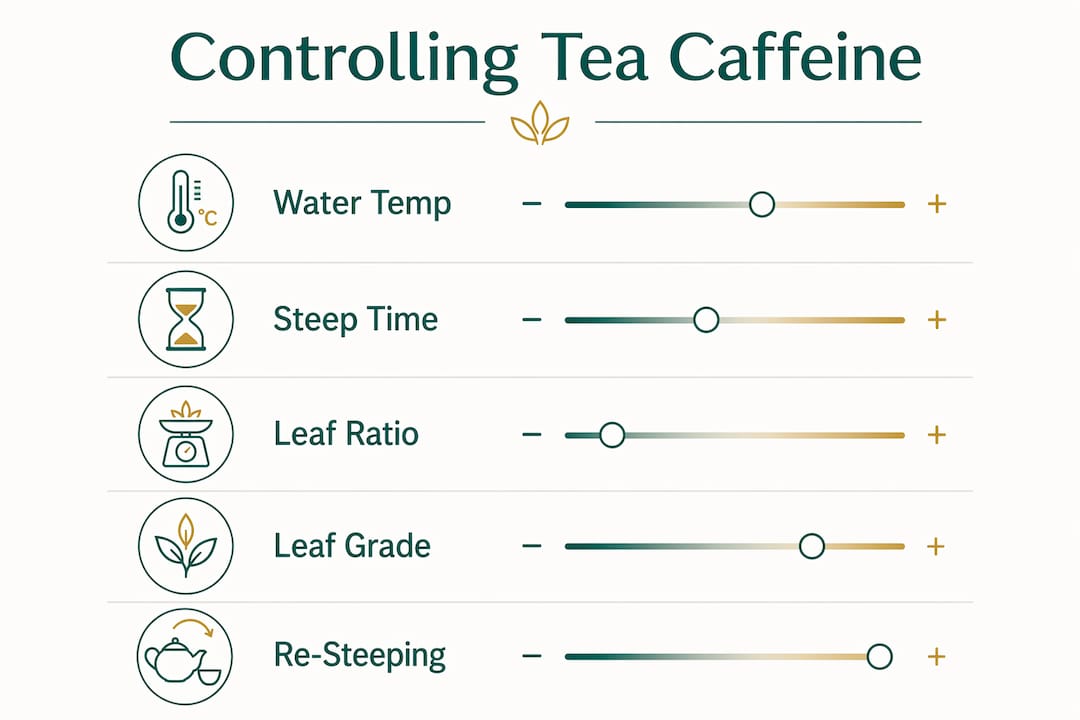
Brewing is where you gain the most control. Higher water temperature and longer steep times increase caffeine extraction more than tea type alone. A green tea steeped for five minutes in near-boiling water will deliver significantly more caffeine than a black tea steeped for one minute at a lower temperature.
The leaf-to-water ratio is equally powerful. Adjusting the amount of leaf you use yields more predictable caffeine control than switching tea types. If you want less caffeine from your morning Sencha, use less leaf rather than switching to a different tea entirely.
Tea bags extract caffeine faster than loose leaf. Smaller leaf particles increase surface area, which speeds up caffeine release during steeping. A standard tea bag steeped for three minutes will typically deliver more caffeine than the same weight of whole-leaf tea steeped for the same time.
Re-steeping is a practical tool for caffeine reduction. Most caffeine extracts during the first steep. Second and third infusions carry significantly less caffeine. This is why traditional gongfu brewing, which uses multiple short steeps, naturally delivers lower caffeine per cup after the first pour.
| Brew Time | Water Temp | Caffeine Extraction |
|---|---|---|
| 1–2 minutes | 70–80°C | Low |
| 2–3 minutes | 80–90°C | Moderate |
| 3–5 minutes | 90–100°C | High |
| Re-steep (2nd) | Any | Low |
| Re-steep (3rd) | Any | Very low |
Key brewing variables that affect caffeine per cup:
- Steep time: Longer steeps extract more caffeine.
- Water temperature: Hotter water pulls caffeine faster.
- Leaf quantity: More leaf per cup means more caffeine.
- Leaf form: Bags extract faster than whole leaf.
- Re-steeping: Each infusion after the first drops caffeine significantly.
Pro Tip: If you want a lower-caffeine cup without switching teas, do a quick 30-second “rinse” steep and discard it. The second steep will have noticeably less caffeine while keeping most of the flavor.
How does caffeine content vary among popular tea types?
The caffeine comparison of teas by type reveals wide ranges within each category, not just between them. Black teas typically deliver 40–70 mg per 8-oz cup, but a strong English Breakfast blend brewed for four minutes can push past that range. Teaped’s organic English Breakfast uses full-bodied Assam leaves, which sit at the higher end of the caffeine spectrum.
Green teas average 20–45 mg per cup, but shade-grown varieties like Gyokuro can reach 60 mg or more. Standard Sencha sits in the middle of that range. Teaped’s Sencha green teas are made from Japanese-style leaves that reflect the moderate caffeine profile typical of the cultivar.
Matcha is the outlier in the green tea family. Matcha delivers roughly 60–70 mg of caffeine per serving because you consume the whole powdered leaf rather than an infusion. That caffeine is absorbed more slowly due to L-theanine, which creates a steadier energy curve than coffee.
White teas and oolong teas are often misunderstood. White teas made from buds, like Silver Needle, can rival black teas in caffeine. Oolong teas span a wide range, from 30 mg to 60 mg per cup, depending on oxidation level and leaf grade. Pu-erh, a fermented tea, typically falls in the 30–60 mg range and varies by age and processing.
| Tea Type | Typical Caffeine per 8-oz Cup |
|---|---|
| Black tea | 40–70 mg |
| English Breakfast blend | 45–75 mg |
| Matcha | 60–70 mg |
| Gyokuro green tea | 50–60 mg |
| Standard green tea (Sencha) | 20–45 mg |
| White tea (Silver Needle) | 30–55 mg |
| Oolong tea | 30–60 mg |
| Pu-erh tea | 30–60 mg |
| Herbal tisane | 0 mg |
Common misconceptions worth correcting:
- “Black tea always has the most caffeine.” Not true. Leaf grade and brewing matter more than color.
- “White tea is always low caffeine.” Bud-heavy white teas can be high in caffeine.
- “Decaf tea is caffeine-free.” Decaf teas still contain trace amounts of caffeine.
Tips for managing your caffeine intake from tea
Choosing the right tea type is the starting point, but brewing adjustments give you the most precise control. For high caffeine, brew black tea or matcha with hot water for a full three to five minutes. For moderate caffeine, steep green tea at 75–80°C for two minutes. For low caffeine, use a second or third infusion of any tea.
Herbal teas are naturally caffeine-free because they are not derived from Camellia sinensis. Chamomile, peppermint, rooibos, and blends like Teaped’s caffeine-free herbal teas are the cleanest option for anyone avoiding caffeine entirely. They are also ideal for evening drinking or for those sensitive to stimulants.
The L-theanine factor is worth understanding. L-theanine promotes alpha-wave brain activity, which balances caffeine’s stimulating effect and creates focused alertness without the jitteriness associated with coffee. This calm, sustained energy is unique to tea and makes even moderate-caffeine teas feel different from an equivalent dose of coffee.
Steps to customize your caffeine intake from tea:
- Choose your base tea. Black and matcha for high caffeine, green and oolong for moderate, herbal for zero.
- Adjust your steep time. Cut it by half to reduce caffeine by a meaningful amount.
- Lower your water temperature. Drop to 70–75°C for green teas to reduce extraction.
- Use less leaf. Reduce your leaf-to-water ratio before switching tea types.
- Re-steep your leaves. Use the second or third infusion for a lower-caffeine cup.
- Switch to bags or loose leaf. Bags extract faster; whole leaf gives you more control.
Pro Tip: If you want focused energy without the coffee crash, pair a moderate-caffeine green tea like Sencha with a short steep. The L-theanine and caffeine combination delivers clean alertness that lasts longer than a quick espresso spike.
Key takeaways
Caffeine in tea is controlled by leaf age, plant variety, and brewing technique, not by tea color or oxidation level.
| Point | Details |
|---|---|
| Leaf age drives caffeine | Young buds contain 4–5% caffeine by dry weight; mature leaves contain just 2–3%. |
| Oxidation is a myth | Green and black teas from the same leaves have similar caffeine when brewed the same way. |
| Brewing controls your cup | Steep time, water temperature, and leaf quantity are your most effective caffeine levers. |
| Matcha is the high-caffeine outlier | At 60–70 mg per serving, matcha rivals black tea because you consume the whole leaf. |
| Herbal teas are zero caffeine | Tisanes made outside the Camellia sinensis family contain no caffeine at all. |
What I’ve learned from years of brewing the same teas differently
The most useful thing I ever did was stop thinking about caffeine by tea type and start thinking about it by cup. The same tin of Sencha can give me a gentle morning lift or a surprisingly strong afternoon boost, depending entirely on how I brew it. That shift in thinking changed how I approach every cup.
The oxidation myth is the one I hear most often, and it frustrates me because it leads people to make the wrong choices. Someone switches from green to black tea thinking they are getting more caffeine, when the real variable was always the steep time. Understanding that caffeine is a complex interaction of genetics, leaf selection, and brew technique rather than a simple category label is genuinely freeing.
What I recommend to anyone managing their caffeine is to experiment with one variable at a time. Change your steep time before you change your tea. Change your leaf quantity before you change your brand. You will learn more about your own preferences in two weeks of deliberate brewing than in years of switching teas randomly.
The L-theanine piece is also underrated. Tea caffeine simply feels different from coffee caffeine, and that is not placebo. The synergy of L-theanine and caffeine in tea creates a sustained, calm alertness that coffee cannot replicate. Once you experience that, you stop chasing the highest caffeine number and start looking for the right balance.
— Jenn
Teaped’s teas for every caffeine preference
Teaped builds its range around the belief that you should not have to compromise between great taste and the right energy level for your day.

Whether you want the bold caffeine of a full-bodied organic black tea, the balanced lift of a Japanese Sencha, or a completely caffeine-free evening blend, Teaped has a tea sourced and crafted for that specific need. The organic herbal collection covers every zero-caffeine option, from calming chamomile blends to gut-supporting tisanes. Not sure where to start? Teaped’s personalized tea quiz matches you with teas based on your caffeine preferences, flavor profile, and wellness goals in under two minutes.
FAQ
What tea has the highest caffeine content?
Matcha and shade-grown green teas like Gyokuro rank among the highest, with matcha delivering roughly 60–70 mg per serving. Bud-heavy black teas like Assam first flush also sit at the top of the caffeine range.
Does green tea have less caffeine than black tea?
Not always. Standard green tea averages 20–45 mg per cup, while black tea averages 40–70 mg, but a high-grade Gyokuro can exceed many black teas. Leaf grade and brewing method matter more than tea color.
How do I reduce caffeine in my tea without switching types?
Shorten your steep time, lower your water temperature, and use less leaf per cup. Re-steeping the same leaves also delivers significantly less caffeine in the second and third infusions.
Are herbal teas caffeine-free?
Yes. Herbal tisanes are made from plants outside the Camellia sinensis family and contain zero caffeine. Chamomile, rooibos, and peppermint are all naturally caffeine-free options.
Does the tea bag vs. loose leaf format affect caffeine?
Tea bags contain smaller leaf particles, which increase surface area and speed up caffeine extraction. A bagged tea steeped for three minutes typically delivers more caffeine than the same weight of whole-leaf tea brewed for the same time.